What Does a Service Desk Analyst Do?
Сore responsibilities, required skills, tools, KPIs, salary ranges, and career paths in modern IT support teams.



Сore responsibilities, required skills, tools, KPIs, salary ranges, and career paths in modern IT support teams.
Picture this: it is 8:47 a.m. on a Monday, and a regional sales manager cannot access the CRM platform minutes before a critical client call. Within moments, a service desk analyst has logged the incident, diagnosed an authentication sync failure, and restored full access – all before the meeting begins. That swift, composed response is what a service desk analyst delivers every single day.
A service desk analyst is a dedicated information technology professional who serves as the first point of contact between an organization’s end-users and its IT department. They receive, record, classify, and resolve technical issues, ensuring that employees can perform their work with minimal disruption. The service desk analyst job description encompasses far more than simply answering calls – it spans incident management, request fulfillment, knowledge management, and proactive communication across the entire organization.
This article examines the full scope of the role: the core duties and roles and responsibilities, the technical and interpersonal skills required, the tools and technologies employed, relevant performance metrics, career advancement options, and practical guidance for those who wish to enter or excel in this profession.
Service desks occupy a central position within any IT organization. They function as the single point of contact for users seeking technical support, acting as a hub that channels every inquiry – from minor connectivity problems to critical system outages – toward the appropriate resolution path.
Within an ITSM framework, service desks align with the ITIL service management lifecycle, ensuring that service delivery remains consistent, measurable, and continuously improving. The role of a service desk is to protect productivity: when end-users encounter technical obstacles, the service desk analyst restores normal operation as quickly as possible.
Service desk analyst positions exist across several tiers:
The responsibilities of a service desk analyst span the entire lifecycle of a technical interaction, from the moment an issue is reported to the point at which the user confirms resolution.
Incident management: Service desk analysts log every incident in the ticketing system with precise categorization and priority classification. They troubleshoot initial symptoms, apply known solutions, and resolve issues at the first tier where possible, escalating to higher-tier teams when incidents exceed their scope. Thorough documentation at each stage ensures continuity across shifts and supports future knowledge management.
Request fulfillment: Beyond incidents, analysts process service requests – including software installations, access provisioning, and hardware replacements. Service requests follow defined workflows that promote consistency and auditability.
Problem identification and troubleshooting: Service desk analysts must identify patterns across recurring incidents and escalate potential underlying problems to problem management teams. Effective troubleshooting at the desk level reduces overall ticket volume and minimizes downtime.
Knowledge base maintenance: Analysts contribute to and maintain troubleshooting guides, FAQs, and procedure documents. A well-curated knowledge base enables self-service resolution for end-users and accelerates onboarding for new team members. Support specialists across all tiers rely on this documentation to resolve user issues consistently and efficiently.
Communication: Service desk analysts must deliver timely, concise updates to affected users and accurately document handoffs between team members. Clear communication is essential to maintaining user satisfaction throughout the resolution process.
SLA adherence: Analysts are responsible for ensuring that every ticket is handled within defined service level agreement timeframes. Adherence to SLAs is a primary metric by which service desks and individual analysts are evaluated.
The day-to-day workflow of a service desk analyst is structured yet dynamic. A typical shift begins with a review of overnight tickets, active incidents, and any priority items flagged by the previous team. Analysts then triage the incoming queue, assigning priority to support requests based on business impact and urgency.
Common ticket types include:
Throughout the shift, analysts collaborate with engineering, network support, and application teams to resolve issues that extend beyond tier-one scope. They also handle user requests related to access permissions, software configurations, and system performance issues that affect business processes. Clear escalation paths and strong working relationships with team members across the IT organization are critical to efficient service delivery and quality customer support.
For organizations with after-hours or on-call requirements, service desk analysts may be scheduled for evening and weekend rotations. In these scenarios, service desk analysts work within on-call runbooks to triage critical incidents and engage the appropriate escalation contacts.
Working as a service desk analyst demands a balanced combination of technical proficiency, interpersonal ability, and process discipline.
Service desk analysts must develop strong communication skills to translate complex technical information for non-technical users. Customer service skills, empathy, patience, time management, and problem-solving ability are equally important. The ability to remain composed during high-pressure incidents reflects the professional maturity the role demands.
Familiarity with ITSM best practices – particularly the ITIL framework – equips analysts to handle incident management, change management, and service requests in a structured, auditable manner. Proficiency with ticketing systems and escalation procedures is a baseline qualification for the role.
Relevant certifications strengthen a candidate’s profile and validate their technical knowledge. The most widely recognized include:
Continuous learning through these and emerging programs ensures analysts remain competitive as technology evolves.

Modern service desks rely on an integrated technology stack to streamline operations and improve user experiences.
| Category | Common Platforms |
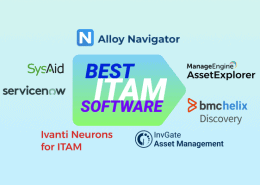
| Ticketing / ITSM | ServiceNow, Jira Service Management, Zendesk, Freshservice, Alloy Navigator |
| Remote Support Tools | TeamViewer, AnyDesk, BeyondTrust, Quick Assist |
| Monitoring & Alerting | Nagios, Zabbix, PagerDuty, SolarWinds |
| Knowledge Management | Confluence, SharePoint, built-in ITSM knowledge modules |
| Self-Service Portals | ITSM-native portals, AI-driven chatbots, automated FAQs |
Alloy Software’s Alloy Navigator platform is purpose-built to unify ticketing, asset management, and knowledge management into a single cohesive environment. By choosing Alloy Navigator, service desks can streamline workflows, reduce resolution time, and empower analysts with contextual data at the point of contact for users – all from one integrated platform. We encourage teams looking to elevate their service delivery to explore Alloy Navigator and request a demo at alloysoftware.com.
AI is rapidly transforming the service desk landscape. AI-powered chatbots handle routine support requests autonomously, AI-driven analytics predict ticket surges before they occur, and AI-assisted knowledge management surfaces relevant troubleshooting guides to analysts in real time. Organizations that embrace AI strategically can significantly reduce analyst workload while improving user experiences across the board.
Service desk analysts are evaluated against a defined set of metrics that reflect both efficiency and quality of service. The following are the most significant:
| Metric | Description |
| First Contact Resolution (FCR) | Percentage of tickets resolved on first interaction, without escalation |
| Average Handle Time | Mean duration of each support interaction |
| Mean Time to Resolution (MTTR) | Average elapsed time from ticket creation to resolution |
| SLA Compliance Rate | Percentage of tickets resolved within defined SLA windows |
| Customer Satisfaction (CSAT) | User-rated satisfaction scores collected post-resolution |
| Net Promoter Score (NPS) | Measure of overall user satisfaction and advocacy |
| Ticket Backlog | Volume of open, unresolved tickets at any given time |
| Escalation Rate | Proportion of tickets escalated beyond tier-one |
Tracking each metric provides management with clear visibility into service desk performance. Individual analysts benefit from regular metric reviews as a basis for coaching, recognition, and career development planning. Reducing downtime for end-users and improving CSAT scores consistently are the two outcomes that matter most to organizational stakeholders.
The service desk offers clearly defined growth opportunities for motivated professionals.
Typical advancement path:
Junior Service Desk Analyst → Senior Service Desk Analyst → IT Support Specialist / Technician → Service Desk Team Lead → IT Manager / Service Delivery Manager
Progression from L1 to L2 typically requires six to eighteen months of consistent performance, demonstrated technical expertise, and familiarity with escalation procedures. Earning additional certification – such as obtaining ITIL Foundation or a vendor-specific designation – accelerates promotion timelines.
Alternative career paths:
Systems administration: Analysts with strong infrastructure and server skills may transition into systems administration roles.
Network engineering: Those with network support experience and relevant networking expertise often move into network engineering.
ITSM roles: Senior analysts frequently advance into ITSM process ownership, overseeing change management, problem management, or service level management functions.
Cybersecurity: Analysts with a security orientation may pursue roles in IT security operations.
The service desk is widely regarded as one of the most effective entry points into a long-term information technology career, precisely because it builds broad exposure across technical, organizational, and interpersonal domains.
The salary of a service desk analyst can vary significantly based on experience, geography, industry, and certifications held
| Experience level | Approximate U.S. annual salary range |
| L1 Analyst | $38,000 – $52,000 |
| Mid-Level (L2) | $50,000 – $68,000 |
| Senior / Specialist | $65,000 – $85,000+ |
| Team Lead / Manager | $80,000 – $110,000+ |
Factors that positively influence salary include holding active certifications such as ITIL Foundation or Microsoft Certified designations, working in regulated industries such as finance or healthcare, and being based in major metropolitan areas.
Demand for qualified service desk analysts remains robust. Digital transformation initiatives, cloud migration projects, and the proliferation of remote work have all increased dependency on reliable technical support. The U.S. Bureau of Labor Statistics projects continued growth in computer support roles, making this a stable and accessible career path.
Education: Most entry-level service desk analyst positions require a high school diploma or associate’s degree. A degree in computer science, information systems, or a related field strengthens candidacy, though it is not universally required. Practical skills and relevant certification frequently outweigh formal academic qualifications at the entry level.
Building experience: Internships, volunteer IT support roles, and university help desk positions provide the hands-on experience employers value. Exposure to ticketing systems, diagnostic platforms, and common enterprise applications – even in informal settings – is highly beneficial.
Certifications and learning: Pursuing a foundational hardware certification, followed by ITIL Foundation, provides a strong baseline. Microsoft Learn, LinkedIn Learning, and HDI training programs offer structured pathways for ongoing professional development.
Resume and cover letter tips:

Candidates should practice structured responses using the STAR method (Situation, Task, Action, Result) for behavioral questions. For technical questions, thinking aloud through a logical troubleshooting process demonstrates problem-solving ability more effectively than arriving immediately at an answer. Familiarity with the prospective employer’s ticketing platform – whether ServiceNow, Jira, or Alloy Navigator – is a meaningful differentiator.
What is the difference between a service desk analyst and a help desk technician?
A service desk analyst operates within a formal ITSM framework with defined processes, SLAs, and knowledge management. A help desk technician typically handles reactive, break-fix support with less process structure.
Is coding required for a service desk analyst role?
Coding is not typically required. Basic scripting knowledge (PowerShell, batch) is a useful bonus but rarely a mandatory requirement for standard analyst positions.
Can a service desk analyst work remotely?
Yes. Remote service desk roles are widely available. Analysts use VPN, collaboration platforms, and remote desktop solutions to assist end-users from any location.
How long does it take to move from L1 to L2?
Most analysts are eligible for L2 consideration after six to eighteen months, depending on technical growth, certification progress, and demonstrated performance against key metrics.
What AI tools are service desks using today?
AI chatbots, AI-assisted knowledge bases, and predictive analytics platforms are the most common. AI increasingly automates ticket routing, first-response handling, and self-service resolution suggestions.