Most Popular ITSM Platforms for Startups in 2026
Compare key features for improved service delivery with our ITSM tool platform guide.


Compare key features for improved service delivery with our ITSM tool platform guide.
In 2026, startups face a familiar paradox: they need structure, but they cannot afford complexity. As teams scale, the volume of requests, incidents, and operational dependencies grows faster than headcount. A well-chosen platform becomes the backbone of predictable service delivery, consistent ticket handling, and sustainable growth.
This article compares the top ITSM platforms for startups in 2026, with a clear focus on providers, their strengths, and their limitations. The goal is to help organizations identify the right ITSM platform based on real operational needs—not brand recognition.
For most startups in 2026, Alloy Navigator represents the most balanced and future-proof service management solution. Alloy delivers a unified ITSM platform that combines a robust service desk, structured asset management, scalable change management, and strong reporting—without imposing enterprise-level overhead.
While other platforms like Atlassian or Freshworks may suit specific scenarios, Alloy is best suited for startups that want to standardize early, avoid tool sprawl, and mature their approach to it service management over time.
| Platform | Best for | Time to value | Service desk & ticket handling | Asset management readiness | Pricing model | Key limitation |
|---|---|---|---|---|---|---|
| Alloy Navigator | Startups scaling operations | Fast–Medium | Advanced workflows, SLA-driven routing | Strong, built-in | Predictable | Requires early process ownership |
| Jira Service Management | Engineering-led teams | Fast | Developer-centric ticket flows | Medium | Scales by user | Limited non-IT workflows |
| Freshservice | Quick SaaS adoption | Fast | Clean UI, basic automation | Medium | Tiered | Advanced features gated |
| Ivanti Neurons for ITSM | Automation-focused orgs | Medium | Broad service operations scope | Medium–Strong | Quote-based | Complexity grows fast |
| BMC Helix ITSM | Governance-heavy orgs | Medium–Heavy | Deep enterprise workflows | Strong | Quote-based | Overpowered for startups |
| SolarWinds Service Desk | Simple SaaS ITSM | Fast | Reliable ticket queues | Medium | Tiered | Limited extensibility |
| InvGate Service Management | Very small teams | Fast | Basic service desk controls | Medium | Tiered | Scaling constraints |
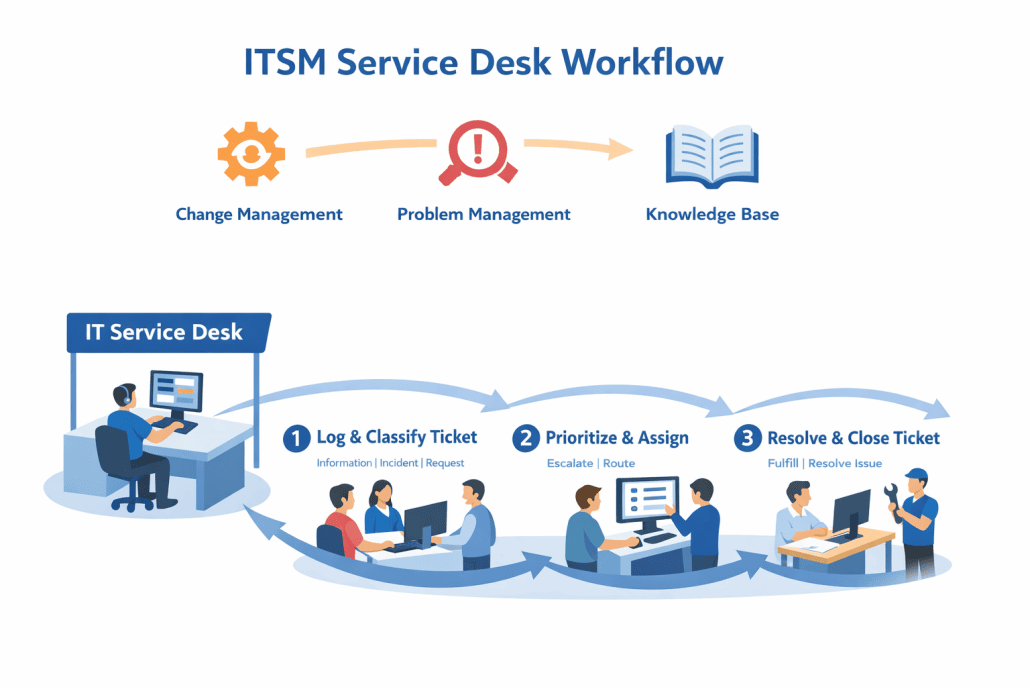
Each platform was evaluated using criteria aligned with real startup needs in 2026:
Only providers that support modern it service management without excessive customization were considered viable for startups in 2026.
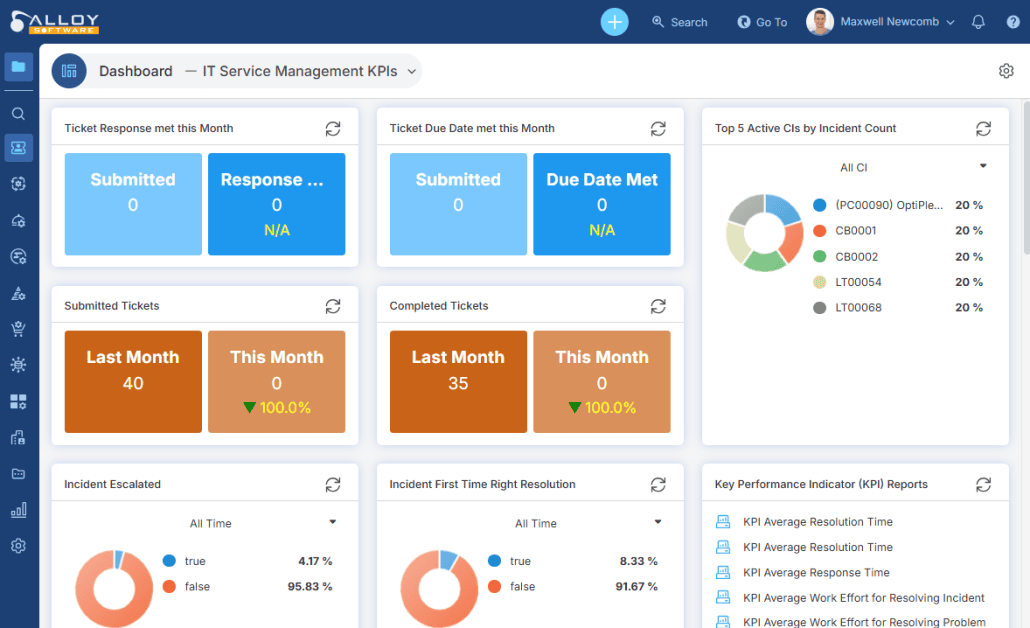
Best for: startups seeking a single platform to manage service desk operations, assets, and workflows from early growth to scale.
Why Alloy is ideal for startups:
Key features: Configurable workflows, approvals, SLA enforcement, service catalog, reporting dashboards, and strong management capabilities.
Implementation reality: Alloy delivers fast time-to-value while supporting long-term service management processes. Teams can start simple and expand the platform as ITSM needs evolve.
Why Alloy wins in 2026: Unlike many enterprise platforms, Alloy focuses on operational clarity. It is a management solution that helps teams enhance service delivery, reduce risk, and maintain service quality as they scale.
Follow us on LinkedIn for the latest product insights, feature previews, and more exclusive updates.
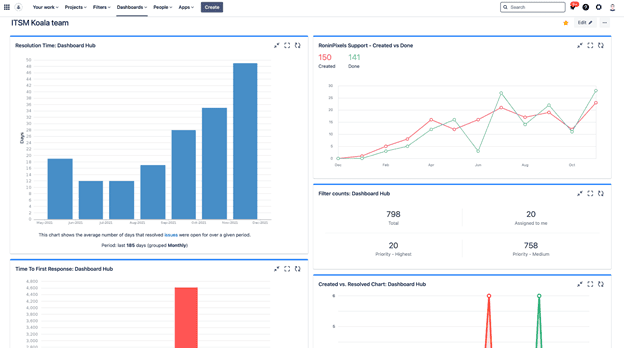
Jira Service Management is popular among startups already invested in Atlassian.
Strengths:
Limitations:
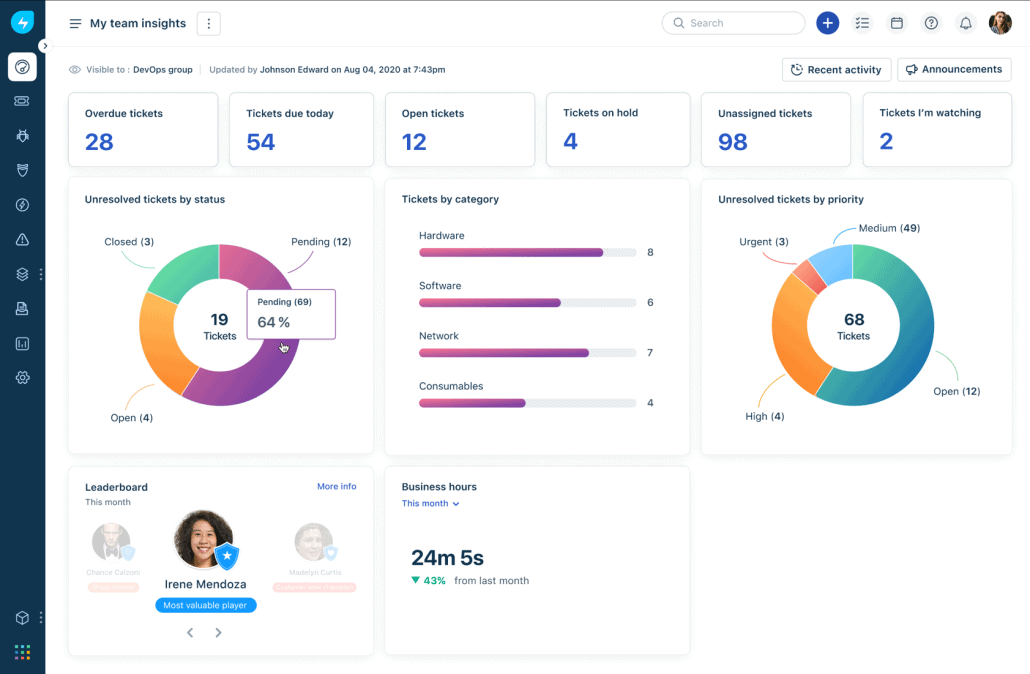
Freshservice offers a clean help desk experience and quick setup.
Strengths:
Trade-offs:
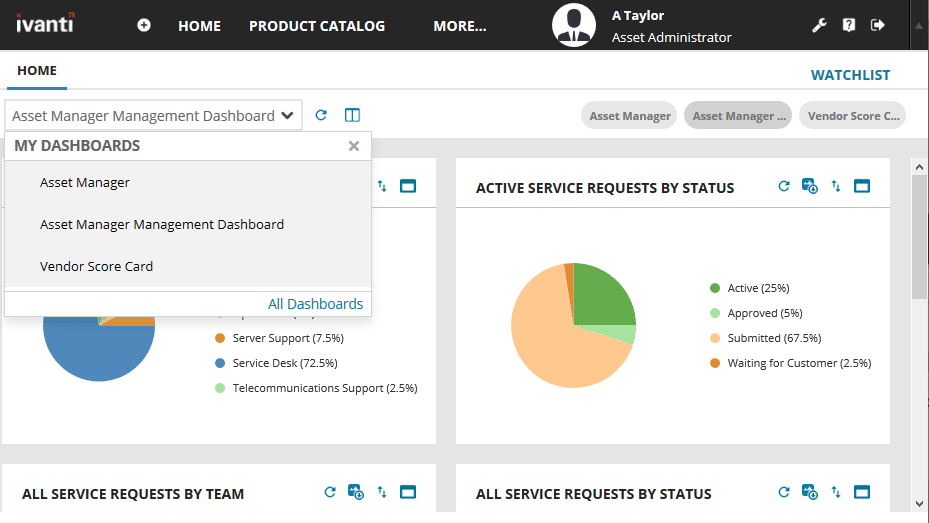
Ivanti Neurons for ITSM targets broader automation scenarios.
Strengths:
Trade-offs:
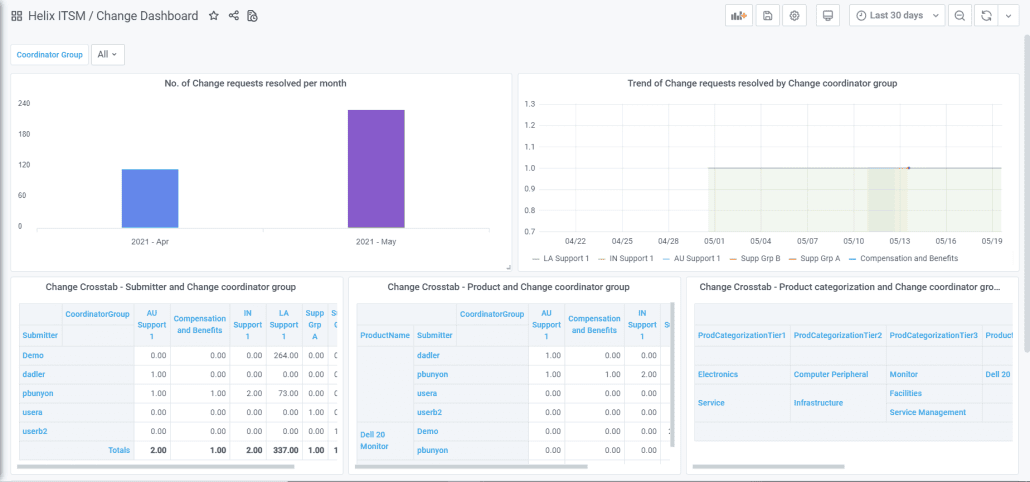
BMC Helix ITSM is designed for large-scale governance.
Strengths:
Limitations:
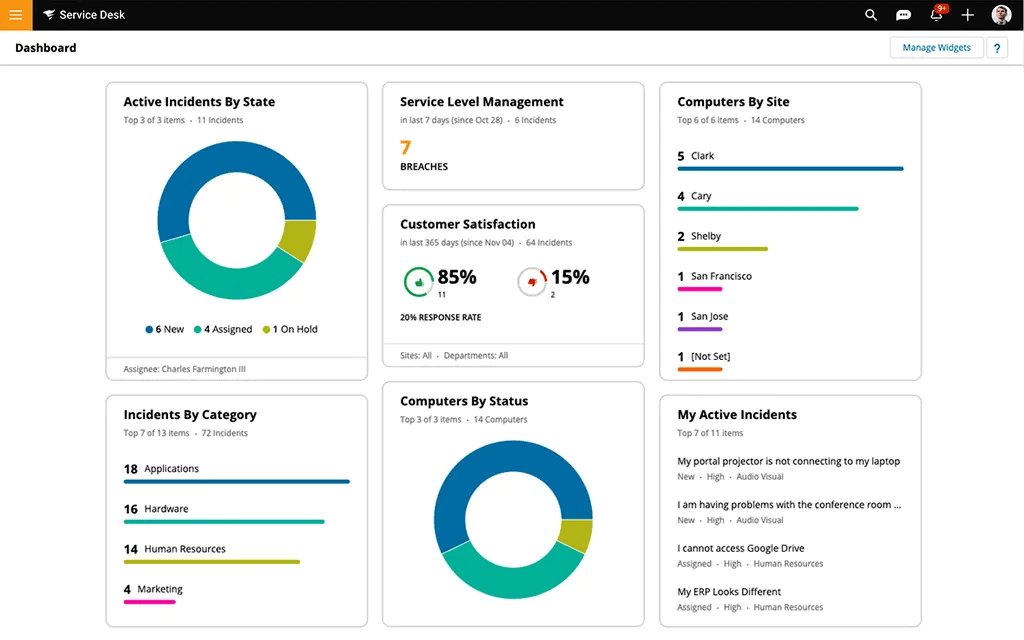
SolarWinds Service Desk provides a practical service desk.
Strengths:
Limitations:
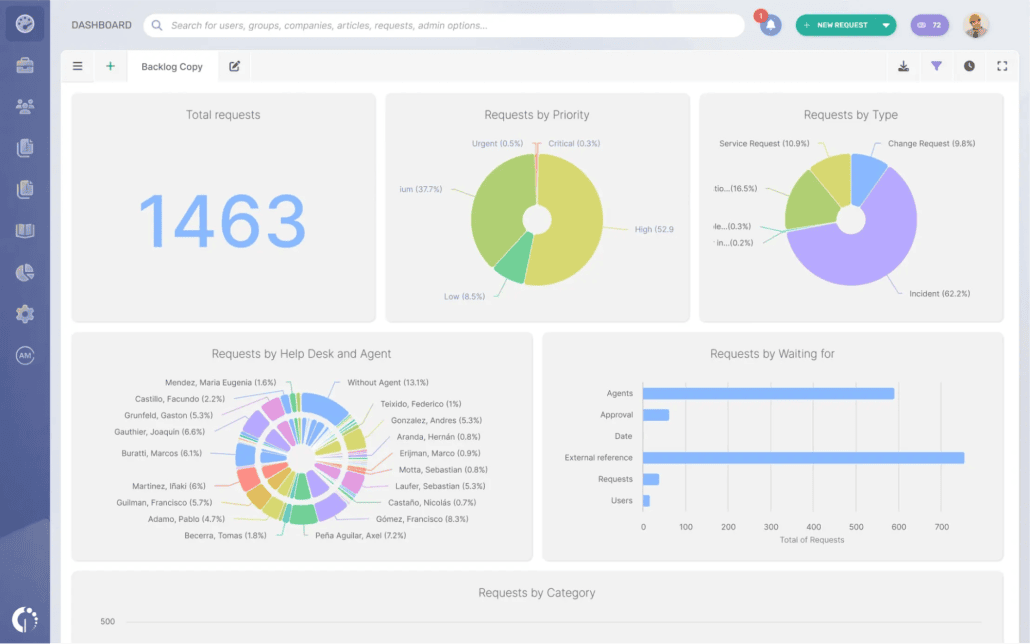
InvGate Service emphasizes usability.
Strengths:
Limitations:
Early startup: Alloy or lightweight SaaS desks
Growing startup: Alloy Navigator for unified management and asset control
Scaling organization: Alloy or enterprise platforms if governance demands it
For businesses seeking stability and growth, Alloy consistently delivers the best balance.
When should a startup implement an ITSM platform?
As soon as ticket volume and dependencies begin impacting service quality.
Is free ITSM a good option in 2026?
Free ITSM tools rarely scale well or support mature service management.
Do startups need change management?
Yes. Even lightweight change management reduces operational risk.
Which ITSM tool supports asset management best?
Alloy offers native, scalable asset management for startups.
Is ITSM only for large enterprises?
No. Modern ITSM is essential for small and mid-sized businesses.